Silence Isn't Golden: The Real Price of Ignoring Your Crypto Alerts
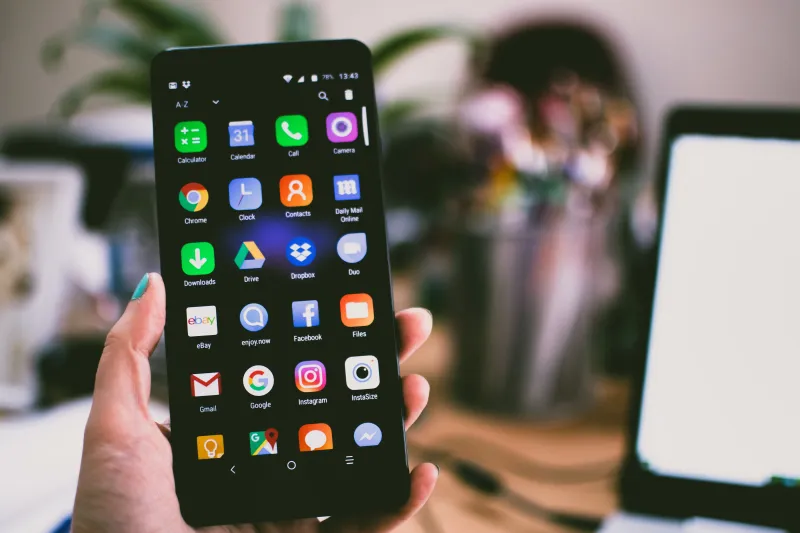
Photo: smartphone notification alerts finance trading mobile app, via images.pexels.com
The Mute Button Feels Like Relief — Until It Isn't
At some point, almost every mobile crypto trader reaches the same breaking point. The pings are relentless. Bitcoin moved 2%. Ethereum moved 1.5%. Your altcoin watchlist is lighting up like a pinball machine. So you do what any sane person would do — you silence the whole thing and get on with your life.
Fair enough. Alert fatigue is real, and there's solid research behind the idea that constant interruptions wreck decision-making. But here's the part nobody talks about: going full silent on your crypto notifications has its own cost. A quiet phone isn't the same as a safe portfolio. It just means you won't hear the bad news until it's already done its damage.
The goal isn't to choose between noise and silence. It's to build a smarter alert system that only speaks up when it genuinely matters.
What Alert Fatigue Actually Does to Your Trades
Let's be honest about what happens when your phone buzzes every 20 minutes with a price update. You stop reading them. Then you start dismissing them without looking. Then the real alerts — the ones tied to actual risk thresholds you set weeks ago — get swiped away right alongside the noise.
This is the paradox that trips up a lot of mobile traders. The same feature designed to keep you informed becomes the reason you're uninformed. Your brain adapts to the volume by tuning everything out equally.
And the market doesn't care that you're overwhelmed. A coin you've been holding through a rough patch can drop another 15% on a weekend afternoon while your phone sits face-down on the coffee table, notifications muted, because you got tired of the chaos.
The cost here isn't abstract. Missed exit points, overlooked entry opportunities, and delayed responses to sudden volatility all have dollar signs attached to them.
The Three-Tier Alert Framework
The fix isn't fewer alerts — it's smarter alerts. Think of your notification setup in three distinct tiers, each with a different job.
Tier 1: Drop Everything Alerts
These are the ones that should cut through anything. We're talking major price swings on your actual holdings — not your watchlist, not coins you're vaguely curious about, but assets you currently own. A 10% move in either direction on something you hold is worth an interruption. So is a significant drop in a stablecoin you're using as a parking spot, or a network fee spike if you're planning a transaction.
Keep this tier short. Three to five alerts maximum. If everything is urgent, nothing is.
Tier 2: Check When You Can Alerts
This middle tier covers your watchlist — coins you're researching, positions you're thinking about entering, or assets you've recently exited but want to monitor. These don't need to buzz your wrist or override your focus mode. A badge on the app icon or a quiet notification that stacks up for a later review is fine.
The key is that you actually check these on a schedule. Block out ten minutes in the morning and another ten in the evening. Treat it like a quick inbox check, not a trading session.
Tier 3: Background Data, Not Notifications
General market sentiment updates, minor percentage moves on low-priority coins, news headlines — this stuff belongs in the app itself, not in your notification tray. Open the app when you're ready to engage. Don't let it reach out to you.
Most major mobile trading platforms let you customize notification types pretty granularly. Spend 15 minutes in your settings and sort your alerts into these buckets. It's one of the highest-ROI things you can do for your trading discipline.
Aligning Alerts With Your Actual Risk Tolerance
Here's where a lot of traders get it wrong: they set alerts based on round numbers or generic defaults rather than their own strategy. A 5% drop alert sounds reasonable, but if you're holding a volatile small-cap token, 5% is just Tuesday. That alert will fire constantly and train your brain to ignore it.
Your alert thresholds should reflect the volatility profile of each specific asset. For Bitcoin or Ethereum, a 7-10% swing is significant and worth a ping. For a mid-cap altcoin, you might set the bar at 15-20% before it earns a Tier 1 alert. For a micro-cap you're speculating on, honestly, just check it manually when you feel like it — the noise-to-signal ratio on automated alerts for highly volatile small tokens is brutal.
Also think about time-of-day logic. Some platforms let you set quiet hours. Use them. A 3 AM alert about a 6% dip isn't going to help you make a good decision — it's going to pull you out of sleep and into a reactive, half-conscious trade you'll regret by morning. (We've written about late-night trading decisions before, and the data is not flattering.)
The Portfolio-in-Your-Pocket Problem
One of the genuinely great things about managing crypto from your phone is that your portfolio is always with you. One of the genuinely dangerous things about managing crypto from your phone is that your portfolio is always with you.
The convenience that makes mobile trading powerful is the same thing that makes notification management so critical. When your brokerage account lived on a desktop, you had natural friction — you had to sit down, open a browser, log in. That friction was annoying, but it also gave you a beat to think before acting.
On mobile, the distance between "I got an alert" and "I placed a trade" can be measured in seconds. That's not always a bad thing, but it means the quality of your alerts matters enormously. A false alarm that sends you scrambling to sell can cost you real money if the price recovers an hour later.
Quick Setup Checklist for Your Alert System
If you want to put this into practice today, here's a simple starting point:
- Audit your current alerts. Open your crypto app and look at everything you have turned on. Odds are there's a lot of default noise you never intentionally enabled.
- Delete or demote anything on your watchlist that isn't a current holding. Watchlist coins can live in Tier 2 or 3.
- Set custom percentage thresholds per asset, based on each coin's typical volatility rather than a one-size-fits-all number.
- Enable quiet hours so alerts don't hit during sleeping hours or other focus blocks.
- Reassess monthly. Your portfolio changes. Your alert setup should keep pace.
The Bottom Line
Muting everything feels like taking control. In reality, it's just trading one problem for another. The traders who consistently make better decisions aren't the ones with the most alerts or the fewest — they're the ones whose alerts are calibrated to actually mean something.
Your phone is one of the most powerful portfolio management tools ever built. A little time spent tuning how it talks to you will pay off far more than you'd expect.