Alert Overload Is Costing You Money: Build a Smarter Notification System for Your Crypto Portfolio
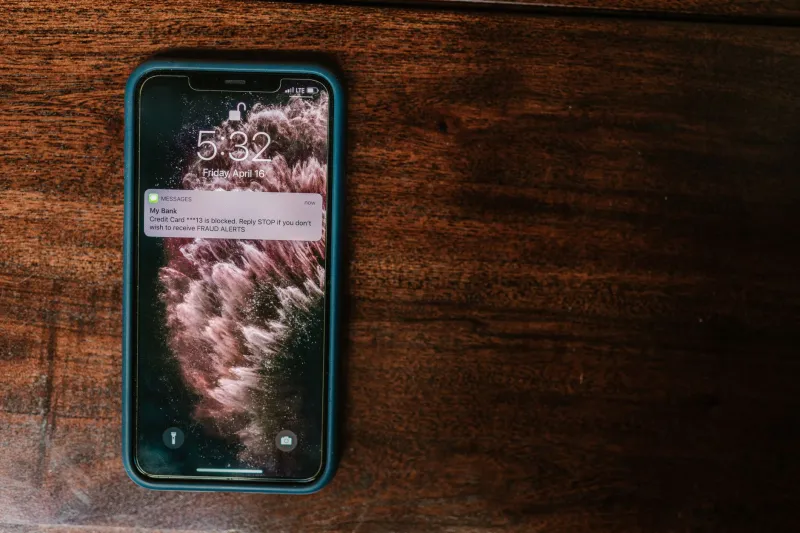
At some point, most mobile crypto traders hit the same wall. They set up alerts — lots of them — because they want to stay on top of the market. Then the alerts start firing constantly. Then they start dismissing them without looking. Then something actually important happens, the alert fires, and they swipe it away out of habit.
That's notification fatigue. And it's one of the most quietly expensive problems in mobile crypto trading.
Why Your Brain Stops Caring About Your Alerts
Human attention is not infinitely renewable. Psychologists who study notification behavior have documented something called alert habituation — the process by which your brain starts treating repeated, low-consequence notifications as background noise. It's the same mechanism that lets you sleep through a fan running but wake up when a smoke alarm goes off.
The problem is that your crypto app doesn't know the difference between a routine price fluctuation and a genuine market-moving event. If you've set alerts for every 2% move on five different coins, your phone is going to buzz constantly during volatile periods. Your brain will habituate. And when Bitcoin drops 18% in four hours, you'll swipe that notification away with the same muscle memory you've built up dismissing the noise.
This isn't a discipline problem. It's a system design problem. And the good news is that system design problems have solutions.
The Alert Audit: What Are You Actually Running Right Now?
Before you build a better system, you need to see what you're working with. Open your crypto app — or apps, if you're using more than one — and pull up your active alerts.
Most traders who do this exercise are surprised by what they find. Alerts set months ago for coins they no longer hold. Percentage-based alerts set at thresholds so small they fire multiple times a day. Duplicate alerts for the same asset across different apps.
For one week, keep a simple log. Every time an alert fires, note: the asset, the trigger, and whether you actually did anything with the information. Be honest. At the end of the week, look at the ratio of "alerts that led to a considered decision" versus "alerts I dismissed or ignored."
For most traders, that ratio is somewhere between 5% and 15%. The other 85-95% of alerts are pure noise — and they're actively training your brain to ignore everything.
The Three-Tier Alert Architecture
Here's a framework that works for most mobile-first crypto portfolios. Think of your alerts as operating at three levels of urgency and specificity.
Tier One: The "Something Big Is Happening" Alerts
These are your highest-priority notifications. They should be rare — maybe a few times a month during normal market conditions. These are the alerts you never ignore.
Tier One alerts are large, absolute price thresholds. Not "BTC dropped 3%" but "BTC crossed below $55,000" or "ETH crossed above $4,200" — levels that represent meaningful changes in your investment thesis or that trigger pre-planned actions (adding to a position, taking partial profits, reassessing a stop-loss).
The key is that these prices should be set when you're calm and thinking clearly, not in response to current market conditions. Sit down on a Sunday, look at your portfolio, and ask: "At what price does my plan for this asset change?" That price becomes a Tier One alert.
Keep your total Tier One alerts across your entire portfolio to ten or fewer. If everything is urgent, nothing is.
Tier Two: The "Worth a Look" Alerts
Tier Two alerts are informational. They don't necessarily require action, but they're worth a thirty-second check when they fire. These might include:
- A coin you've been watching hitting a price you'd consider an entry point
- A percentage move (larger than 8-10%) that suggests something notable is happening
- A portfolio value dropping to a threshold where you want to reassess your overall allocation
Tier Two alerts should fire maybe a few times a week. When they do, you look — but you don't necessarily act. They're the difference between staying informed and trading impulsively.
Tier Three: The "Background Awareness" Layer
Tier Three isn't about phone notifications at all. It's about the periodic check-ins you build into your routine — maybe once in the morning, once in the evening. You open the app, scan your portfolio, note where things stand. No alert needed because you've scheduled the behavior.
Removing low-stakes alerts from your notification stack and replacing them with scheduled check-ins accomplishes two things: it reduces the total buzz volume on your phone, and it gives you context when you review prices (you're looking at a snapshot, not reacting to a single data point in isolation).
The 80% Reduction That Actually Works
Traders who restructure their alerts along these lines typically cut their total notification volume by 75-85%. Here's what they consistently report afterward:
- They actually read the alerts that do come through, because those alerts now carry signal
- They feel less anxious about the market overall, because they're not being constantly reminded that prices move
- Their trade accuracy improves — not because they have better information, but because they're making decisions more deliberately
One pattern worth highlighting: traders who cut their alert volume dramatically often find that they were using notifications as a form of anxiety management rather than a trading tool. The constant buzz gave them the feeling of being "on top of" the market. Removing it forced them to build actual systems — and those systems performed better.
A Template to Get You Started
Here's a simple alert setup for a basic portfolio of three to five assets:
For each asset you hold:
- One downside alert at a price that would change your thesis ("if it hits this, I reassess")
- One upside alert at a price where you'd consider taking partial profits
For your overall portfolio:
- One alert if total portfolio value drops by more than 20% from your last high-water mark
- One alert if a single asset grows to represent more than 40% of your total portfolio (concentration risk)
For assets you're watching but don't own:
- One alert at your target entry price — and nothing else
That's it. For a five-asset portfolio with two watchlist coins, you're looking at about fourteen alerts total. Compared to the fifty-plus that many traders are running, it's a dramatic reduction. And every single one of those fourteen alerts means something specific.
Your Phone Should Work For You
The whole idea behind having your blockchain portfolio in your pocket is that mobile access gives you an edge. But that edge evaporates the moment your notification system starts working against your psychology instead of with it.
Build alerts that respect your attention. Your attention is finite. Your portfolio will thank you for treating it that way.